Tuesday, February 03, 2026
Key Takeaways
- This patient story describes severe fatigue and mobility challenges after COVID-19 and two strokes, along with reported improvements during a treatment and recovery period.
- Stroke recovery can involve persistent nerve-related symptoms like numbness, burning pain, and tingling, which can significantly affect daily life.
- Many people recover best when progress is measured through functional milestones, because small gains often add up over time.
Jeff couldn't walk 9 feet without extreme fatigue and pain when he arrived at Stemaid Institute. Two weeks later, he is walking 1 mile a day, that is 5280 feet. What a significant improvement. "My energy has tripled!" — he says.
Jeff had COVID-19 in November 2020. He experienced lingering symptoms over the holidays, like many do. But in February 2021 things became very serious. He suffered 2 strokes back to back. He again tested positive for SARS-CoV-2.
The strokes left his right side numb and some areas painfully tingling from remnant nerve pain. Even a blanket over his feet was painful. Walking was unbearable. Jeff works physical labor. He is a father of two small children. This was serious, life altering. He came to Stemaid Institute as soon as he could.
When Jeff arrived, we tested his IgG and IgM antibodies for SARS-CoV-2 and they were positive, confirming his past results. Acute and long haul symptoms of COVID-19 can be serious and exacerbate underlying conditions. Blood can hypercoagulate, strokes can come on without warning.
FAQs
Why can strokes lead to numbness or painful tingling afterward?
Stroke can disrupt nerve signaling, which may cause numbness, hypersensitivity, or burning sensations. Ongoing follow-up and rehabilitation can help identify what is driving symptoms and what options might reduce them.
Why can fatigue after stroke feel so intense?
The brain may work harder to do normal tasks, and sleep issues, pain, and deconditioning can worsen fatigue. Pacing, structured rehab, and realistic energy planning often help more than trying to push through.
What should families watch for after a stroke, especially if there was recent illness too?
New weakness, speech changes, severe headache, or sudden confusion should be treated as urgent red flags. It is also worth discussing medications, clotting risk, and follow-up monitoring with the care team.
What’s a realistic way to measure recovery progress?
Functional markers like walking distance, stair tolerance, grip strength, or ability to complete daily tasks can be more meaningful than a single symptom score. Tracking weekly can make subtle progress easier to notice.
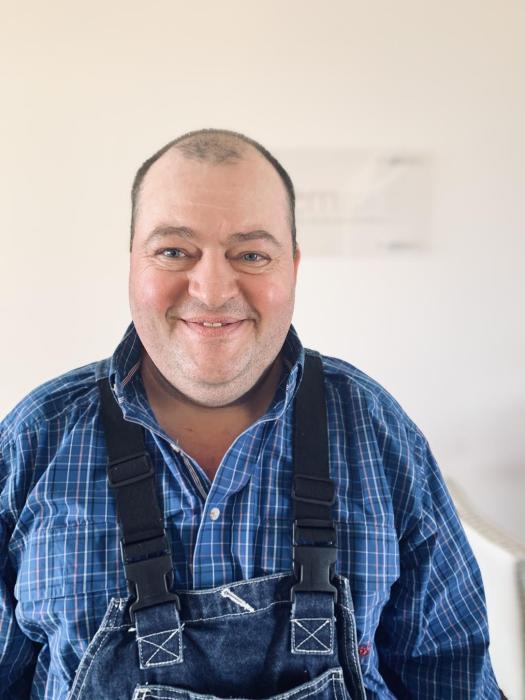
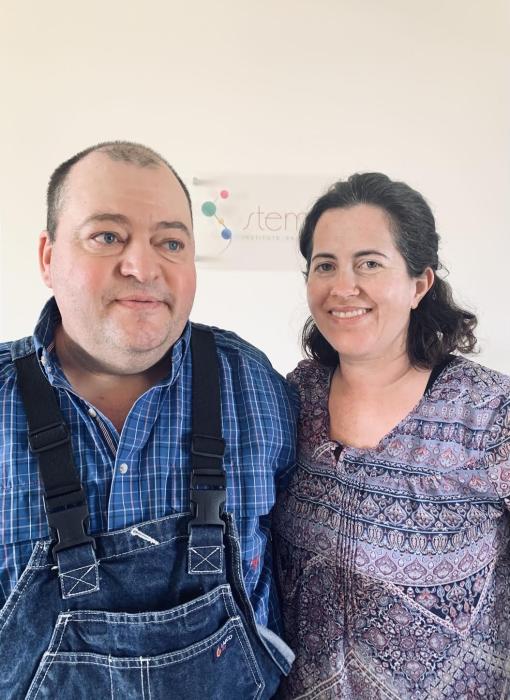
After two weeks of daily infusions with his own autologous pluripotent stem cells, the sensation on his face was first to return. It was followed by a gradual return of sensation on the right side. As he was leaving, all his symptoms were significantly better, the debilitating pain had waned, his blood tests improved, he walked away with a smile. Jennifer, his wife, relieved as well. We are thankful for such results every time.
Autologous pluripotent stem cells can work fast. They are made from the patient's own somatic cells, have the patient's own DNA, and can therefore remain in the body and signal repair swiftly and stay long term. In chronic conditions, stem cell stores get depleted, much like in aging. Autologous pluripotent stem cells are one sure way to restore this decline and get the body back to repairing itself as when we are healthy and young.
Jeff, we wish you full recovery. This takes time. Keep repairing and improving your health day to day. These cells will keep supporting you, signaling repair for months, even years.